
Improve the experience before expanding
What stops existing capacity from producing repeat value?
Compare retention, scheduling and maintenance with new capacity. Identify the customer outcome that would change, not just the asset to be purchased.
SECTOR HUB
Use the gym example to compare member retention, capacity and equipment costs. Select the relevant model for other leisure and events businesses.
Membership income, tickets, venue hire and commissioned creative work have different economics. A gym can be busy at peak times while losing members; an event can receive deposits before significant delivery commitments; an arts project can depend on milestones and rights. Identify what creates repeat value or a successfully delivered occasion, then compare the contribution and cash consequences of the next investment.
Compare retention and investment options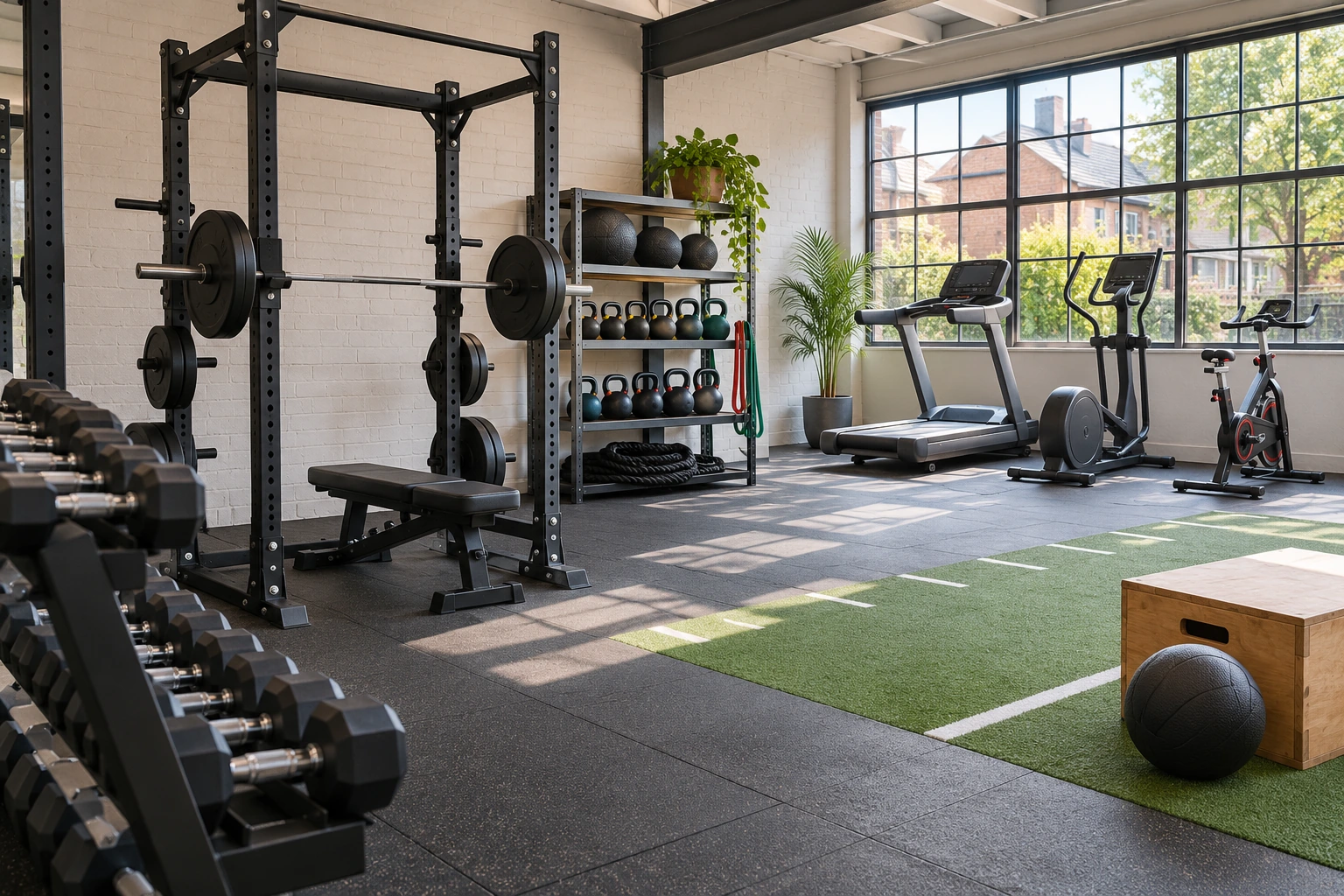
START WITH THE DECISION
What stops existing capacity from producing repeat value?
Compare retention, scheduling and maintenance with new capacity. Identify the customer outcome that would change, not just the asset to be purchased.
What contribution remains after the delivery commitments?
Separate ticket, membership, sponsorship and project income. Include supplier costs and the commitments that remain in a weaker sales case.
When are deposits, works and payroll paid relative to reliable receipts?
Map the full season or programme, including quieter periods. Money received in advance may still support future delivery or refunds.
What evidence is needed before the investment or event can proceed?
Use the appropriate operating, safety and contractual expertise. A commercial forecast does not authorise a venue, event or crowd capacity.
PERSPECTIVES AND PRACTICAL TOOLS
The guides remain in Perspectives. Read their worked examples, source dates and scope before applying the analysis to your own business.
Compare member retention, available space and equipment use to see which change could add more earnings for the cash committed.
Read the guideTHE SECTOR IN CONTEXT
Choose the operating model that fits your situation. These distinctions guide the questions, rather than establish funding eligibility.
Compare member retention, attended use and equipment reliability before adding more kit. A peak-time queue and a quiet afternoon are different problems. Test the improvement against paid member-months and delivery costs rather than a target membership count alone.
Capacity depends on the facility, operating hours, instructors or supervision and the actual customer occasion. Separate session income, memberships and venue hire. Refurbishment or expansion can interrupt the trading that would otherwise support its cost.
Productions, exhibitions and creative programmes can combine ticket income, commissions, sponsorship and other support. Each source has its own conditions and receipt dates. Build the delivery budget around the actual commitments without treating unconfirmed support as cash.
An event brings a concentrated timetable of venue, supplier, staffing and customer commitments. Compare the full delivery case, including cancellation exposure and safe operating arrangements. Strong advance sales do not remove the obligations attached to delivering the event.
The detailed gym guide supports membership and equipment decisions. Other sport, arts and event models are mapped separately and need their own evidence. No attendance forecast, grant award, sponsorship, permission or operating capacity is implied.
Geography: UK-led commercial framing. The HSE context is Great Britain; event licensing, safety, rights and other requirements depend on the location and activity.
The sources below establish the stated operating or regulatory context. The commercial comparisons and questions are GIC Capital analysis, not a market forecast, verified result or an assessment of your business.
Great Britain guidance covers planning, managing and reviewing events, including venue and crowd topics. It does not establish that an individual event or venue is safe. Checked 9 November 2026.
When to review: Review when the venue, programme, customer terms, supplier commitments or applicable event/safety requirements change.
Hub reviewed 9 November 2026. The linked guides retain their own evidence dates. This is general commercial guidance, not an offer, eligibility assessment or technical recommendation.
Read a practical example for this sectorGIC’S ROLE
GIC can help compare investment, operating alternatives and capital options against a defined leisure or creative-business objective. A useful outcome may be a staged change, a different operating approach or a decision to defer. Scope and any engagement fees are agreed separately.
Tell GIC what is happening, the outcome you need and what you have already tried. Review the context you choose to include; it does not establish a funding requirement or authorise an introduction. Reading this page does not send an enquiry or establish an intention to borrow.