
Transport and logistics/8 min read
Fuel costs move today. When does your customer price adjust?
Trace fuel costs through customer price changes and payment dates to see whether more volume would earn more or widen the cash gap.
Perspective · GIC Capital · Published 7 November 2026
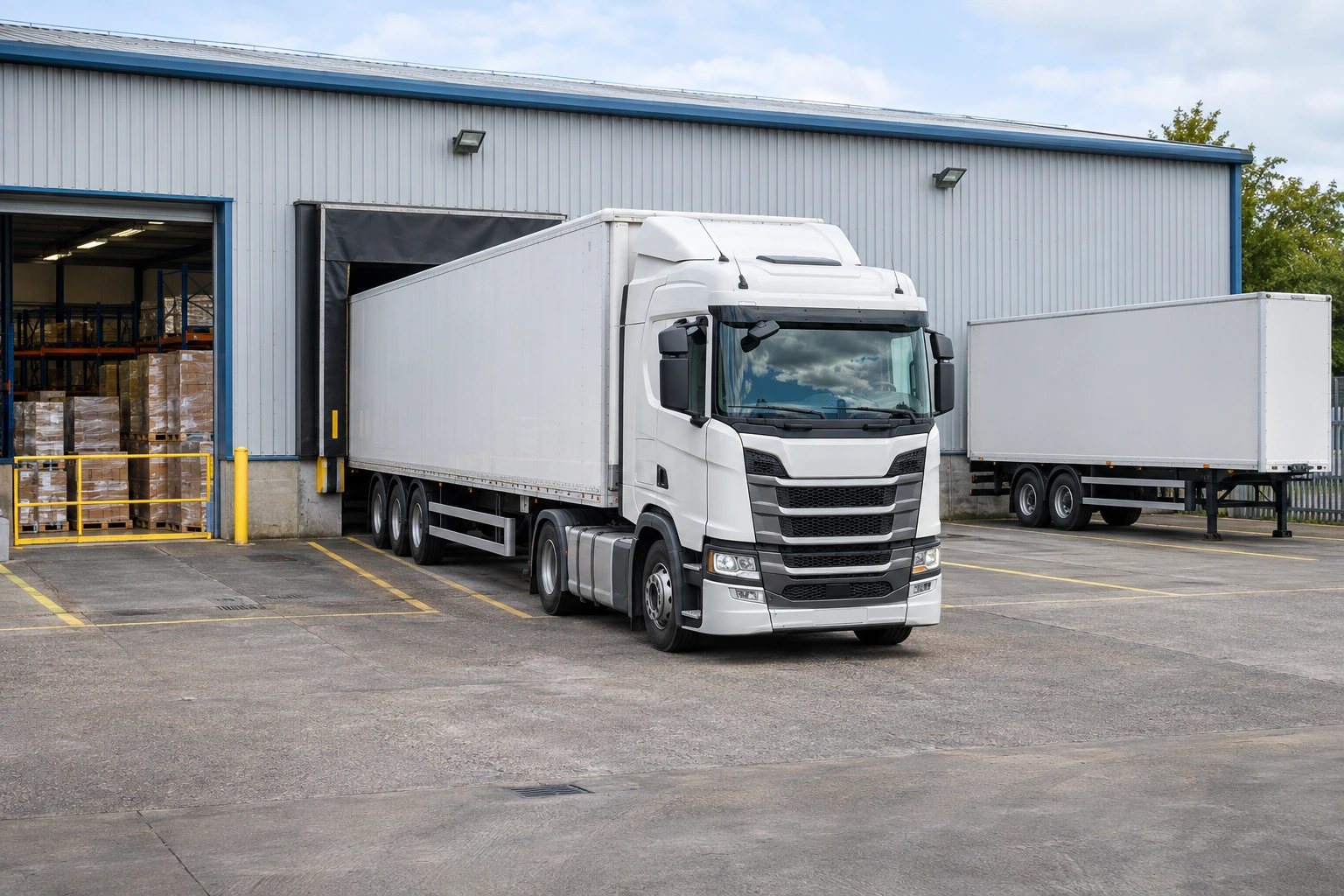
A fuel cost change can reach the bank before an agreed customer surcharge is collected. For road transport operators, that lag sits alongside route utilisation, waiting time and the ability to change committed costs. This Perspective separates lost contribution from cash tied up temporarily, works through one contract and tests a lower-volume case. The aim is a service and pricing decision supported by evidence, rather than an assumed need for more cash.
Use the operator’s actual fuel exposure
DESNZ’s weekly road-fuel series measures average UK retail pump prices [1]. It provides external context, not the net cost for every haulage operator. Use the actual fuel-card or bulk purchase price, rebates, litres, VAT basis and payment dates in the route model. No current price level or directional forecast is assumed here.
Separate a temporary lag in collecting an agreed surcharge from a permanent loss because no recovery applies. That distinction changes the response. A bridge for an accepted receivable and a contract that no longer covers its costs should not be presented as the same working-capital problem.
Separate the operating, pricing, billing and receipt decisions
First, establish the operating baseline: total kilometres, fuel consumption, driver hours, waiting time and delivery requirements for the agreed service. Include empty positioning and return journeys that the contract causes. Distance that produces no direct invoice still consumes fuel and capacity.
Second, read the commercial mechanism. Is fuel included in a fixed price, reviewed on agreed dates or adjusted against a defined index? What is the reference price, calculation basis and effective date? Is the change retrospective? A modelled surcharge has no cash value until it is permitted by the agreement or accepted through negotiation.
Third, check billing. An approved increase can still be delayed by missing proof of delivery, a disputed trip count or an invoice cut-off. Fourth, map collection rather than assuming the invoice date is the receipt date. Finally, identify who monitors the difference between the modelled charge and the amount actually received.
A route example that reconciles contribution and cash
Consider a hypothetical monthly contract of 100 trips, producing £60,000 of revenue before VAT. Total distance, including the empty legs needed to deliver it, is 50,000 kilometres. Fuel consumption is assumed to be 0.30 litres per kilometre: 15,000 litres. The fuel price moves from £1.30 to £1.50 per litre on the same net-cost basis throughout this illustration.
Driver costs are £18,000 a month. Other trip costs are £9,000, including the assumed costs of tyres, maintenance and tolls attributable to the work. Committed vehicle, depot and administrative costs attributable to this decision are £8,000. These categories are separate; the £8,000 does not include costs already counted elsewhere.
| Monthly contract measure | Original fuel cost | Higher fuel cost | Higher fuel cost with full recovery |
|---|---|---|---|
| Service revenue | £60,000 | £60,000 | £60,000 |
| Fuel surcharge | £0 | £0 | £3,000 |
| Fuel cost | £19,500 | £22,500 | £22,500 |
| Drivers | £18,000 | £18,000 | £18,000 |
| Other trip costs | £9,000 | £9,000 | £9,000 |
| Committed costs | £8,000 | £8,000 | £8,000 |
| Surplus on the stated cost basis | £5,500 | £2,500 | £5,500 |
The additional fuel cost is 15,000 × £0.20 = £3,000. Recovery would require £30 per trip for these 100 trips, or 5% of the original £60,000 revenue. That is the arithmetic for this contract, not a suggested universal surcharge. The contractual charging unit must match the agreement; a cost calculated using all kilometres does not mean the customer is obliged to pay for every kilometre.
The surplus is before finance, tax and any remaining business overhead not included above. It is neither a complete company profit figure nor proof that the operator can afford additional debt.
A price adjustment can restore contribution before cash
Assume the higher fuel cost begins in month one and is paid at each month-end. The agreed surcharge applies only from month two. It is invoiced at month-end and received at the end of the following month. There is no retrospective recovery for month one. For clarity, the table isolates only the incremental fuel cost and surcharge; it is not the whole business forecast.
| Period | Extra fuel cash paid | Surcharge earned | Surcharge cash received | Cumulative marginal cash movement |
|---|---|---|---|---|
| Month 1 | £3,000 | £0 | £0 | -£3,000 |
| Month 2 | £3,000 | £3,000 | £0 | -£6,000 |
| Month 3 | £3,000 | £3,000 | £3,000 | -£6,000 |
| Month 4 | £3,000 | £3,000 | £3,000 | -£6,000 |
| Month 5, after these four months of operations stop | £0 | £0 | £3,000 | -£3,000 |
The £6,000 running cash reduction contains two different things: £3,000 of unrecovered month-one cost and £3,000 temporarily tied up in the latest surcharge receivable. When the final receivable is collected, the permanent reduction is £3,000. Borrowing can bridge timing; it does not undo that lost contribution. Weekly fuel payments or late customer receipts could produce a worse low point than this simplified month-end model shows.
Stress volume and recovery together
Suppose trips fall to 80. Revenue falls to £48,000, distance to 40,000 kilometres and fuel to 12,000 litres. Other trip costs reduce proportionately to £7,200, but driver and committed costs remain £18,000 and £8,000 over the planning period. At £1.50 fuel and a £30-per-trip surcharge, revenue plus surcharge is £50,400 against £51,200 of costs: an £800 loss.
If fuel then reaches £1.65 while the surcharge stays unchanged, costs rise to £53,000 and the loss becomes £2,600. Full recovery of the original fuel change has not protected the business against lower utilisation or the subsequent price movement. Review frequency, volume commitments and which costs can actually change all matter.
Examine empty positioning and return journeys without assuming all empty distance is avoidable. A potential backhaul needs its own contribution calculation, including extra distance, time, waiting, handling and the effect on the next committed job. Revenue from an extra load is useful only if the operation can safely and reliably deliver it within the full schedule.
Complete the contract recovery worksheet
| Field | Completed example | Evidence to collect |
|---|---|---|
| Service baseline | 100 trips; 50,000 total km; 15,000 litres | Telematics, fuel records and agreed service |
| Cost change | £0.20 per litre; £3,000 a month | Actual net purchase price and consumption |
| Recovery mechanism | £30 per trip from month 2 | Accepted contract change and charging basis |
| Collection timing | One month after billing | Actual invoice and receipt history |
| Cash consequence | £6,000 running reduction; £3,000 permanent loss | Dated forecast including all other movements |
| Combined downside | 80 trips; £1.65 fuel; unchanged surcharge produces £2,600 loss | Volume commitments, cost flexibility and next review date |
| Action owner | Commercial and operations owners jointly | Named decision maker and review date |
Classify each input as actual, contractually agreed or estimated. Show the outstanding evidence beside the result. The number becomes more useful when the team can see why it may change.
A seven-day contract review
In the next seven days, select one contract with material fuel exposure or slow recovery. Reconcile planned kilometres and litres with actuals, then trace a completed trip through proof of delivery, invoice and cleared receipt. Identify who can resolve billing errors, verify the pricing clause and agree the next review date. Extend the method to the most exposed contracts over the following month; a fleet average should not hide an unresolved route-level loss.
Evaluate route design, load consolidation, backhaul opportunities, waiting-time charging and commercially achievable review terms. Discuss adjustments early with customers using a transparent calculation and service baseline. Protect necessary maintenance: DVSA’s roadworthiness guidance treats inspections, maintenance and monitoring as part of the operating system. [2] A temporarily better cash balance created by postponing essential maintenance is not an improvement in route economics.
Once the remaining timing requirement is clear, assess whether operating cash, amended payment terms or a suitable capital arrangement can support it. Model repayment alongside a further fuel move and lower utilisation. A recurring loss requires a commercial decision as well as a cash decision.
Complete the decision worksheet with the evidence, payment dates and operational limit that could change your choice. Record who will check the least certain assumption and when the options will be reviewed.
Set commercial triggers without weakening safe delivery
Reopen the contract review when fuel procurement cost, trip volume, waiting time, empty running, the review index or collection performance changes materially. Record an agreed commercial threshold and the person who owns the response. Verify the customer’s accepted terms rather than silently billing a new formula. Any proposed additional vehicle or route also needs the relevant licensing, driver, maintenance and operating resources; a contribution spreadsheet does not establish that capacity is available.
APPLY THE METHOD
Bring the example to your decision
Use actual total kilometres and litres, then map the permitted recovery mechanism through invoice and collection. The completed example is hypothetical.
Download: Route price-recovery and cash worksheetOpen the cash-flow plannerBuild your own decision brief
Keep your notes while this website remains open and download a copy when useful. Reloading or closing the page clears them. No contact details are needed and these notes are not sent to GIC Capital.
Sources and scope
Evidence checked on 2026-11-07. Market context and guidance can change. All worked business examples are hypothetical.
- DESNZ — Weekly road fuel prices; 2026-11-03. No current fuel-price level or forecast is quoted. Actual operator procurement, rebate and VAT basis may differ. External source opens in a new tab
- DVSA — Keeping commercial vehicles safe to drive; 2025-04-28. Applies to England, Scotland and Wales; do not treat cutting maintenance as an operating saving. External source opens in a new tab
Could repricing or different payment terms close the recovery gap?
Use the example to identify what you would need to check in your own business. If a material question remains, outline it for GIC. Your note stays in this tab until you review and choose to send an enquiry. Any engagement or introduction would be agreed separately.
The finder locates published material, not personalised advice.
General educational analysis. Figures are assumptions, not a valuation, personal recommendation, offer or eligibility assessment. Obtain appropriate specialist input before committing.