Costs can rise before customer prices or receipts catch up.
Compare route earnings, price-review timing and collections to see where more volume could help and where it could widen the cash gap.
Revenue per vehicle, shipment or occupied pallet does not explain the full commercial result. Identify the service promised, the capacity it consumes and the costs that remain when volume falls. Put price-review timing beside fuel, labour, premises, maintenance and third-party carrier payments, then follow the invoice through to collection. Asset ownership, subcontracting and forwarding create different commitments. Growth should be assessed against practical delivery, contract exposure and cash, with safety and service quality preserved rather than treated as discretionary savings.
Which change is worth considering for your business?
Recover cost changes in time
How long separates a higher operating cost, an agreed price adjustment and the resulting receipt?
Use the business's actual fuel or other procurement basis and contract review terms. Test recovery delays alongside the cash already committed, without presenting a public price series as the operator's own cost.
Choose the right capacity commitment
Does owning, hiring or subcontracting fit the duration and certainty of the work?
Compare service quality, availability, minimum commitments, maintenance and the lower-volume case. Include implementation and exit costs rather than ranking options by a single headline rate.
Price the full service mix
Which routes, customers or activities consume capacity without adequate contribution?
Include waiting, handling, reattempts, returns, third-party charges and service commitments where relevant. Use the actual contract to distinguish a recoverable extra from an operating cost the business must bear.
Plan for customer and service interruption
What happens to cash if volume, collection or a critical delivery dependency changes?
Stress a major customer delay and the obligations that continue. Keep safety, maintenance and regulatory requirements intact, and cost a credible alternative delivery arrangement before relying on it.
PERSPECTIVES AND PRACTICAL TOOLS
Compare the options before committing time or money.
The guides remain in Perspectives. Read their worked examples, source dates and scope before applying the analysis to your own business.
Enter dated customer receipts, operating costs, carrier payments and capacity commitments from your own contracts. The planner does not optimise routes, price a forwarding service, determine licence requirements or assess capital availability.
Choose the operating model that fits your situation. These distinctions guide the questions, rather than establish funding eligibility.
Road haulage
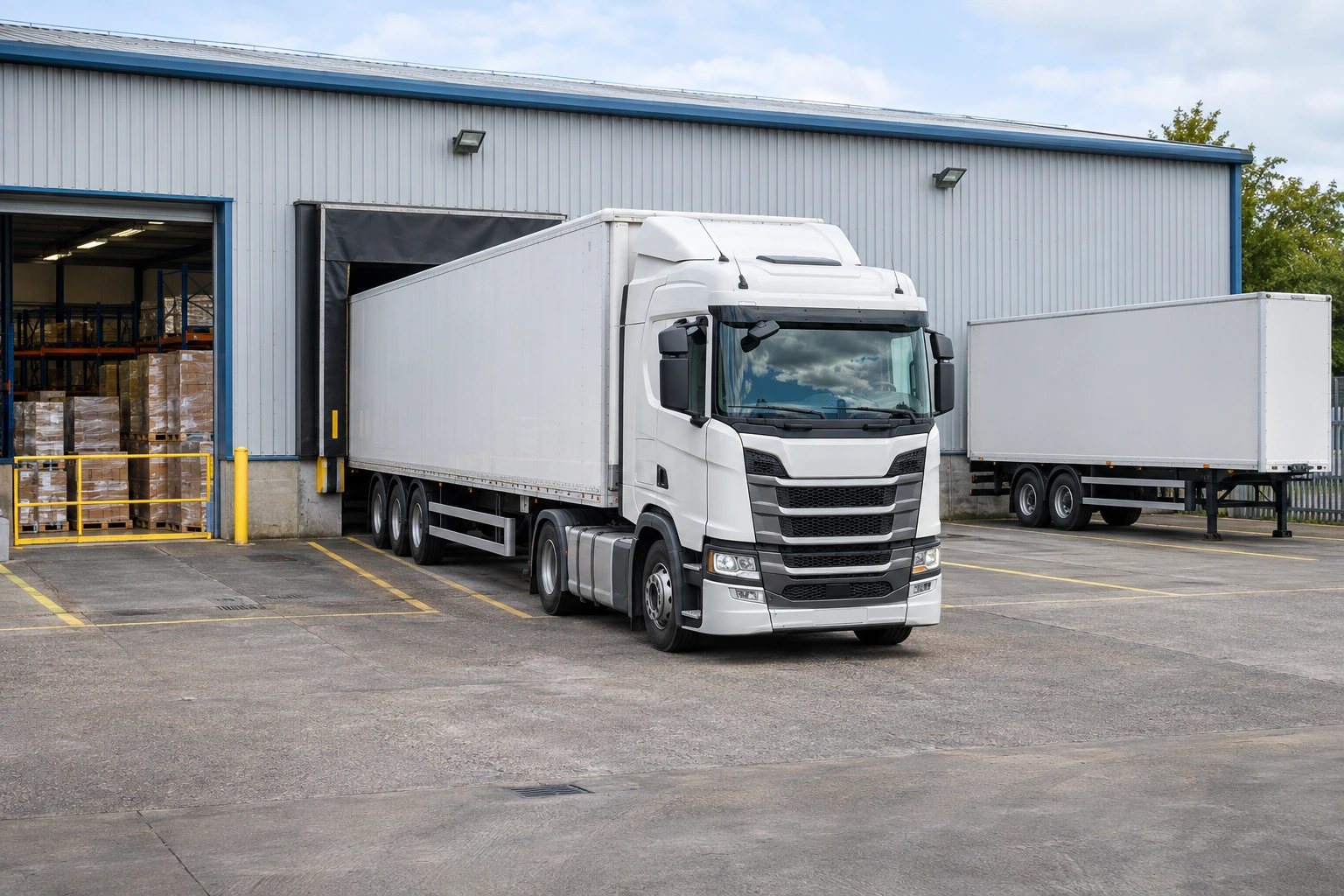
Assess routes and contracts using the operator's actual costs, including loaded and empty movements, driver time, fuel, maintenance, waiting and any subcontracted legs. Check how and when cost changes reach the customer price, then when the adjusted invoice is paid. More vehicle utilisation is useful only when the work contributes after the commitments needed to deliver it. Compare owned, hired and subcontracted capacity over the realistic contract period, including downtime and the lower-volume case. The published fuel-recovery guide develops this distinction between route contribution and collection timing.
Which routes carry empty running, unrecovered waiting or delayed cost recovery?
When does a price change reach a paid invoice?
Does the capacity commitment remain workable with lower volume and maintenance downtime?
Warehousing and storage
Separate storage occupancy from the work needed to receive, handle, pick and dispatch goods. A highly occupied building may have limited usable handling capacity or a customer mix that adds labour without enough revenue. Compare charges and commitments against pallet or space use, order activity, peaks, systems and required service levels. Include racking, equipment, safe access, staffing and implementation disruption in an expansion case. Distinguish ordinary storage from fulfilment, temperature-controlled or other specialist services; the commercial model and operating evidence must match the service actually promised.
Which storage and handling activities are charged, and which are absorbed?
Is the constraint space, labour, equipment, systems or dispatch capacity?
What happens to the commitment if a major customer leaves or peak demand shifts?
Freight forwarding
A forwarding business should distinguish its fee or trading margin from carrier charges and other amounts passing through the account. Establish whether it acts as agent or principal for each service and what responsibility the agreed terms create. Map carrier payments, deposits and any authorised advances against customer receipts, including currency and dispute exposure where applicable. Cross-border documentation and customs roles need explicit responsibility; outsourcing a step does not resolve every obligation. The commercial review should test concentration, cancellations and delays without implying that GIC provides customs representation or transport-law advice.
What is the business's role and net margin after third-party service charges?
Which carrier or other payments become due before the customer pays?
Who is responsible for documentation, customs work and disputed or cancelled shipments?
Couriers and last-mile delivery
Compare the contribution per completed service, including sorting, route time, failed delivery, reattempts, returns and peak cover where those costs fall on the operator. A larger parcel count may require extra people or vehicles before it improves route economics. Use the actual mix of delivery locations, service windows and parcel characteristics rather than one average rate. Examine how charges and service penalties are defined and what evidence supports a dispute. Keep workforce, vehicle and safe-delivery requirements within the operating plan; a lower price is not a workable saving if the promised service cannot be delivered.
What does a completed delivery cost after reattempts and returns?
Which peak-capacity commitments persist outside the peak?
Do the rate and service terms reflect the actual route and parcel mix?
Other transport and passenger services
Rail, water, air and passenger operations require a separate comparison of the service, asset commitments and applicable permissions. Establish whether revenue is ticketed, chartered, contracted or earned through another arrangement, and which costs continue when demand falls or service is interrupted. Model the relevant maintenance, capacity, seasonal and customer-payment timetable rather than copying a haulage fuel example. Where the plan depends on regulated access, routes or specialist assets, identify the expert evidence needed before discussing investment. This hub does not provide modal licensing, fleet engineering or passenger-service assessments.
What service and revenue arrangement is actually being proposed?
Which asset and operating costs remain during an interruption or weaker demand?
What modal permissions, safety and technical evidence must be verified first?
Coverage and scope
The existing detailed guide addresses road-logistics cost recovery and cash timing. Warehousing, forwarding, courier and other transport sections provide model-specific questions, not separate validated operating studies or modal expertise. No current fuel price, freight rate, utilisation benchmark, licence entitlement or funding eligibility is asserted. The applicable jurisdiction, service terms and responsibilities must be confirmed for the particular business.
Geography: General commercial questions. DVSA commercial-vehicle guidance and HSE warehouse context are for Great Britain. The customs source concerns UK arrangements; cross-border routes and other modes need their own jurisdiction-specific review.
Official sources support preserving roadworthiness, safe warehouse operations and explicit customs responsibilities. Route, storage, forwarding and courier comparisons are GIC commercial analysis, not source-provided price forecasts or proof of operational performance. The existing road-logistics guide retains its own scoped evidence and hypothetical examples.
England, Scotland and Wales; commercial goods and passenger-vehicle roadworthiness. Not a complete operating-licence assessment or authority to reduce maintenance. Checked 9 November 2026.
Great Britain warehouse health-and-safety context, including handling and workplace transport. Historic injury figures on the page are not used as current evidence or reproduced here. Checked 9 November 2026.
UK customs context for freight forwarders, agents and express operators. Supports clarifying services, agreements and responsibilities; not transaction-specific customs advice or a statement that outsourcing removes liability. Checked 9 November 2026.
When to review: Review when procurement costs, price-review terms, customer mix, volumes, service obligations, carrier terms, maintenance, route conditions or collection timing change. Recheck official operating and customs requirements before changing the service, vehicle category or jurisdiction.
Hub reviewed 9 November 2026. The linked guides retain their own evidence dates. This is general commercial guidance, not an offer, eligibility assessment or technical recommendation.
Tell us what you want to achieve and what is getting in the way.
GIC can help review the commercial objective, compare contract and capacity choices, and connect the operating case to cash and a defined capital need. Bring the service model, relevant contract and the point where contribution or timing breaks down. Transport safety, customs representation, licensing and technical fleet advice require the appropriate specialists. Scope, responsibilities and any fees are agreed before a particular engagement proceeds.
Tell GIC what is happening, the outcome you need and what you have already tried. Review the context you choose to include; it does not establish a funding requirement or authorise an introduction. Reading this page does not send an enquiry or establish an intention to borrow.