
Property investment/8 min read
The rent looks attractive. What cash does the property actually retain?
Deduct operating costs, works and debt payments from rent, then check the collection timetable to see what cash the property could actually retain.
Perspective · GIC Capital · Published 7 November 2026
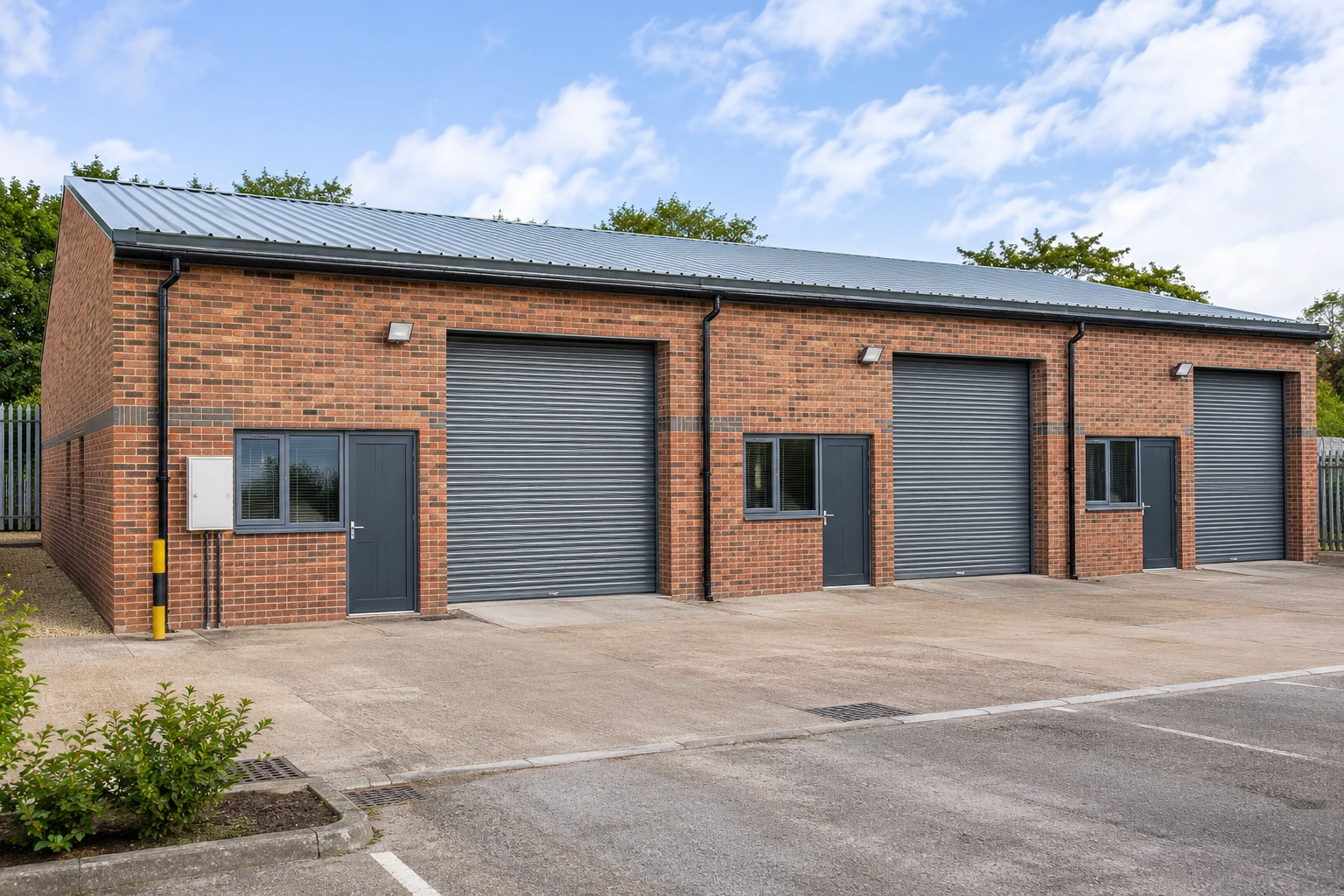
A commercial property is advertised with an attractive rent and a tenant in place. The headline yield makes the decision appear straightforward. Yet rent-free periods, collection delays, non-recoverable costs, works and debt payments can leave a different cash result. For an investor retaining an asset, the useful starting point is a dated operating plan tied to the lease and the property’s condition. This is a different question from developing and selling a scheme: the asset must continue to function, attract occupiers and support its commitments after acquisition.
Start with the lease, the occupier and the building
Record the rent commencement, incentives, review provisions, break dates, expiry, repair obligations and service-charge arrangements. Confirm who pays each cost and whether the relevant lease permits recovery. An assumed fully repairing arrangement does not remove the need to understand exceptions, condition, enforcement and the occupier’s ability to perform. Ask what happens if the occupier leaves at the first realistic opportunity, not only at the contractual expiry.
Reconcile the tenant schedule to signed documents and actual receipts. Distinguish a rent demand, an invoice due, a dispute and cleared funds. Review arrears, concessions and the current trading dependence on any single occupier. A lease can support contracted income without guaranteeing collection. For multi-let property, examine tenant concentration and common service obligations as well as occupancy by floor area. A small vacant unit can create costs disproportionate to its size.
Separate contractual-rent contribution from cash
For this article, contribution from rent due means contractual rent due for the period less the stated property operating costs, before financing, owner tax and capital works. It is a management comparison, not accounting rental income or a standardised valuation measure. Accounting recognition can differ, including the treatment of rent incentives. State the measure in your own appraisal and keep it consistent with any comparison. Headline rent divided by purchase price omits acquisition costs, operating leakage and expenditure; it cannot establish the cash available to the owner.
Keep recoverable tenant costs, non-recoverable owner costs and capital expenditure separate. The RICS commercial service-charge standard promotes transparent budgets and administration; it does not make every cost recoverable under every lease. Examine the lease and actual evidence. A service-charge collection held to meet service obligations is different from unrestricted rent available for an unrelated acquisition. If the owner needs to fund a deficit or timing gap, show that cash explicitly.
A first-year rent and cash example
The following is hypothetical, in pounds, and excludes VAT, owner tax, acquisition costs and sale or refinance proceeds. A commercial unit has £120,000 annual contractual rent, with the first three months rent-free. First-year rent due is therefore £90,000. Of that amount, £10,000 is not collected until the following year. Property operating payments are £24,000 annually. A £40,000 works programme is paid in the first quarter. Annual debt service, including principal and interest, is £45,000.
| First-year measure | Calculation | Amount |
|---|---|---|
| Rent due after incentive | £120,000 − 3 × £10,000 | £90,000 |
| Rent cash collected | £90,000 − £10,000 delayed | £80,000 |
| Contribution from rent due before works/debt | £90,000 − £24,000 | £66,000 |
| Operating cash before works/debt | £80,000 − £24,000 | £56,000 |
| Cash after works and debt | £56,000 − £40,000 − £45,000 | −£29,000 |
The property shows £66,000 contribution on the stated contractual-rent basis while consuming £29,000 cash after the specified works and debt. That is not a contradiction. Timing, capital payments and financing explain the difference. The £10,000 delayed rent remains a collection assumption, not cash already available. A real assessment also needs the acquisition cash, transaction costs, tax treatment, existing liabilities and the evidence supporting each works item.
The annual total still hides the first cash low point
Assume operating payments and debt service are paid evenly at £5,750 a month in total. The £40,000 works are fully paid before the first rent. The first £10,000 rent arrives at the end of month four, after that month’s payments. Before it arrives, four months’ operating and debt payments total £23,000; adding works gives £63,000 paid. With £50,000 opening cash, the unfunded balance would be minus £13,000. Against a management-selected £10,000 reserve, the gap is £23,000.
By year-end, opening cash of £50,000 less the £29,000 annual cash outflow would leave £21,000. That positive ending balance does not fund the earlier low point. The unfunded schedule is not an executable plan without changed timing, scope or resources. Test actual payment dates, works instalments and lease cash dates. If a planned refinance is not committed and executable, keep it as a scenario rather than using a valuation as a substitute for proceeds.
Compare the stabilised year without erasing future works
For a separate steady-year illustration, assume the full £120,000 rent is collected, operating costs remain £24,000, management sets aside £12,000 for future capital needs and debt service remains £45,000. Cash after those stated amounts is £39,000. The £12,000 allowance is an assumption requiring an actual condition and lifecycle plan, not a universal sufficient reserve. A good steady-year result cannot undo an unfunded acquisition or first-year plan.
Stress the drivers separately, then combine a plausible downside. Examine a longer vacancy, lower achieved rent, a non-paying occupier, unrecoverable repair costs and a higher debt payment where actual terms allow it. If first-year collection falls by a further £10,000, the example’s cash outflow becomes £39,000. If works also overrun by £8,000, it becomes £47,000. Recheck timing: a late-year cost and an early mandatory payment do not create the same liquidity requirement.
Use condition and letting requirements as decision evidence
For in-scope non-domestic rented properties in England and Wales, current government guidance describes the minimum EPC E requirement, with scope conditions and valid exemptions. Do not apply that statement to every asset or assume an announced proposal is already an enacted future standard. Check the actual certificate, tenancy, works options and evidence needed for the property. A compliance or condition issue can affect the letting timetable as well as expenditure.
An empty unit can still incur insurance, security, utilities, maintenance and business rates. England’s empty-property relief has conditions and time limits; verify eligibility with the council rather than setting rates to zero throughout a void. Ask what work is necessary, what is discretionary and what could be staged without undermining safety, asset condition or the next letting. Deferring a genuine obligation does not eliminate it.
Compare alternatives on a consistent basis
If you compare improvement, retention and sale, use the same starting date and reconcile which receipts are available in each route. A sale valuation is not a completed disposal: include the realistic timetable, transaction costs, debt settlement and any works needed before exit. Equally, a higher rent after improvement may require a void and an incentive before cash improves. Keep the asset value, income result and owner cash flows in separate columns. That makes it possible to see whether an apparently better economic result also requires a larger earlier commitment.
A seven-day retained-asset review
- Reconcile the rent schedule to leases, incentives, actual collections and the occupier’s key dates.
- Create an owner-cost and works register, showing recoverability, condition evidence, payment dates and accountable owners.
- Build monthly and near-term daily cash for base, delayed-collection and works-overrun cases.
- Compare retaining, improving, staging, changing terms or exiting using actual executable assumptions, and record the next decision trigger.
Refresh the case at a break notice, arrears event, material condition finding, works quotation or change in debt terms. The objective is a credible asset operating plan, not a single appealing yield. If the result depends on a cost recovery, letting date or refinance that has not been evidenced, make that the next check before committing more cash.
APPLY THE METHOD
Bring the example to your decision
Bridge contractual rent to collected cash, owner costs, works and debt using actual dates and a lease/condition evidence register.
Download: Retained property cash and commitments worksheetBuild your own decision brief
Keep your notes while this website remains open and download a copy when useful. Reloading or closing the page clears them. No contact details are needed and these notes are not sent to GIC Capital.
Sources and scope
Evidence checked on 2026-11-07. Market context and guidance can change. All worked business examples are hypothetical.
- Department for Energy Security and Net Zero — Non-domestic private rented property: minimum energy efficiency standard — landlord guidance. England and Wales only, non-domestic property. Scope, exemptions, evidence and changing proposals require checking for the individual asset; no future threshold is assumed. External source opens in a new tab
- Royal Institution of Chartered Surveyors — Service charges in commercial property, second edition; 25 June 2025; reissued 8 October 2025. Mandatory provisions apply to RICS members and regulated firms as specified. The standard does not make every cost recoverable under every lease; lease and local law must be examined. External source opens in a new tab
- GOV.UK — Business rates relief: empty property relief. England business-rates guidance; other jurisdictions differ. Do not assume an empty property has no continuing rates cost. External source opens in a new tab
Would staging works or changing the funding structure improve the cash timetable?
Use the example to identify what you would need to check in your own business. If a material question remains, outline it for GIC. Your note stays in this tab until you review and choose to send an enquiry. Any engagement or introduction would be agreed separately.
The finder locates published material, not personalised advice.
General educational analysis. Figures are assumptions, not a valuation, personal recommendation, offer or eligibility assessment. Obtain appropriate specialist input before committing.