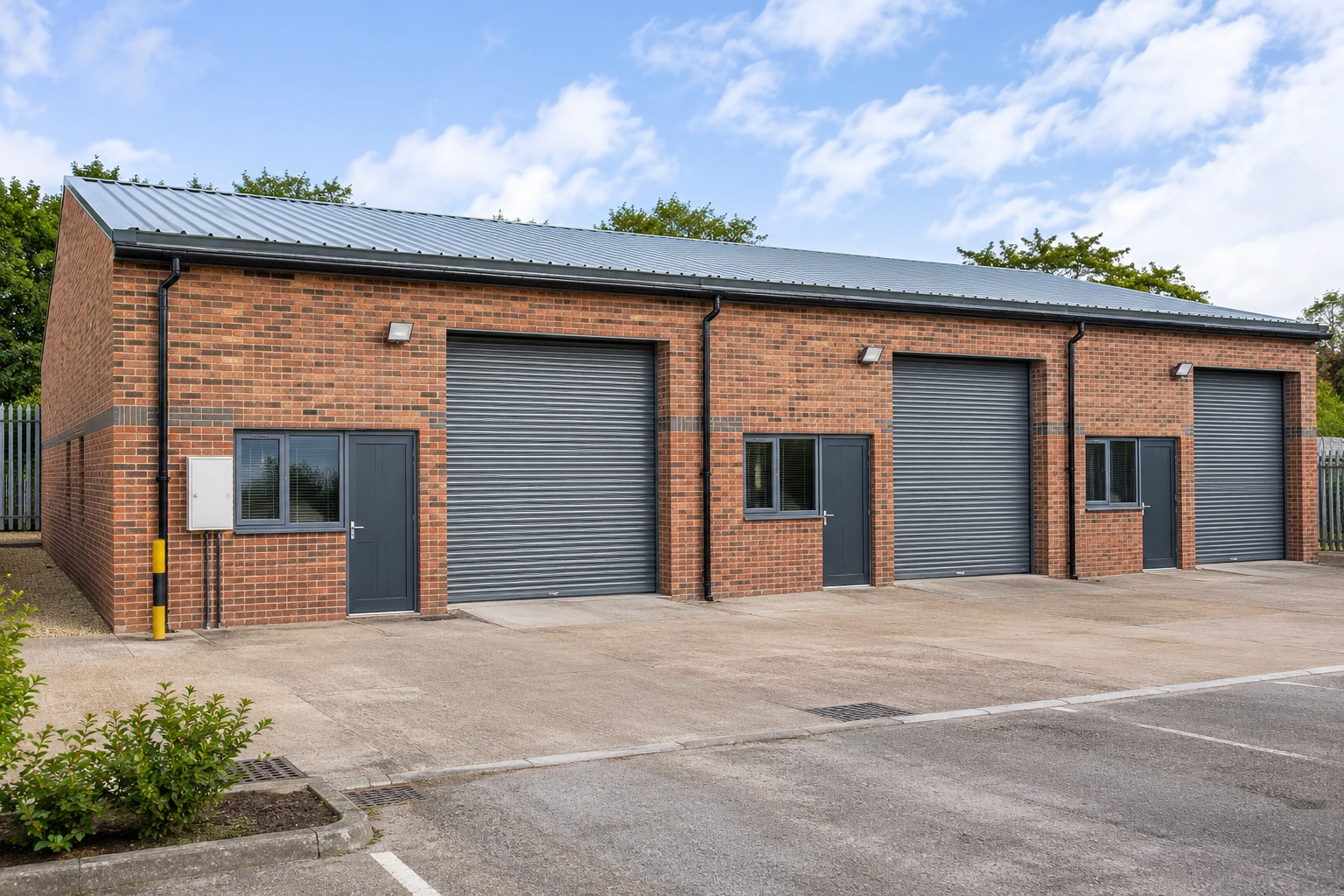
Attractive rent or project profit can hide a cash shortfall.
Choose a retained-property or development example. Check works, costs, debt and receipt dates to see what cash the plan would need and retain.
Rent, development profit and property-management fees are different income models. For an investment asset, examine the lease, actual collections, non-recoverable costs, works and debt service. For a development, map costs and milestones before an exit receipt. For a service business, focus on fee income and delivery commitments. Mixing these models can hide the cash required before an attractive headline result is realised.
Which change is worth considering for your business?
Move from rent to retained cash
What does the asset retain after its operating and financing commitments?
Use lease-specific collections, property costs and debt payments. Include voids, incentives and a reserve for known works without assuming every cost is recoverable.
Compare works with the operating alternative
What improvement justifies the cost and interruption?
Separate necessary works from discretionary enhancement. Compare timing, tenant impact and a staged option with evidence from appropriate property professionals.
Test the development timetable
How much cash is required before the next reliable milestone?
Use the existing development tool only within its assumptions. Stress the programme and exit rather than using the headline profit as spendable cash.
Define the capital requirement precisely
Is the need acquisition, works, refinance or a wider mandate?
Specify the asset, entity, use of funds and timing. Ownership information and professional evidence must support the next step; a property listing is not enough.
PERSPECTIVES AND PRACTICAL TOOLS
Compare the options before committing time or money.
The guides remain in Perspectives. Read their worked examples, source dates and scope before applying the analysis to your own business.
Choose the operating model that fits your situation. These distinctions guide the questions, rather than establish funding eligibility.
Property investment and ownership
Start with an asset-level cash view, supported by the lease, condition information and the actual cost of running the property. A headline yield does not show void periods, rent-free incentives, arrears or works. Separate recoverable charges from costs that remain with the owner.
What rent is collected, when, and with what remaining commitments?
Which costs and capital works cannot be passed to the occupier?
Development and refurbishment
A development is a delivery programme as well as an exit assumption. Connect site control, professional advice, permissions, procurement and cost to complete to a dated cash plan. Test delay, cost and sales assumptions separately; a modelled margin is not a valuation or a sale commitment.
What evidence supports the remaining cost and programme?
What alternative exists if the planned sale or refinance is delayed?
Property management and operating services
A managing agent or property-service business earns fees for a service, rather than the property’s rental profit. Understand the scope, staffing, systems and responsibilities behind each contract. Do not treat client money or rent collected on behalf of others as cash available to the business.
What fee is earned for the actual service and when is it collected?
Which costs belong to the service business and which belong to the client?
Mixed investment and operating businesses
A group may own assets, carry out projects and provide services at the same time. Separate each entity and activity before combining a group view. Intercompany flows, guarantees and shared costs need explicit treatment rather than an assumption that one asset’s cash can fund another project.
Which entity owns each asset, contract and obligation?
What permission or restriction governs cash moving between activities?
Coverage and scope
The investment guide and development foundation guide address different models and should be read within their stated scope. The operating-service and mixed-group sections are a commercial map, not client-money, tax or legal advice. No asset value, consent or refinance availability is established here.
Geography: UK-led commercial framing. The linked energy-efficiency guidance applies to England and Wales; different property types and jurisdictions require separate advice.
The sources below establish the stated operating or regulatory context. The commercial comparisons and questions are GIC Capital analysis, not a market forecast, verified result or an assessment of your business.
England and Wales non-domestic rented property; guidance updated 5 May 2026. Individual scope, exemptions and evidence must be checked. No proposed future threshold is assumed. Checked 9 November 2026.
When to review: Review when lease terms, occupancy, works, title/consent position, debt terms or applicable property guidance change.
Hub reviewed 9 November 2026. The linked guides retain their own evidence dates. This is general commercial guidance, not an offer, eligibility assessment or technical recommendation.
Tell us what you want to achieve and what is getting in the way.
GIC can help clarify an acquisition, investment, development or capital-options question and organise the evidence for the appropriate conversation. Valuation, legal title, tax, technical condition and credit decisions remain with the appropriate professionals and counterparties.
Tell GIC what is happening, the outcome you need and what you have already tried. Review the context you choose to include; it does not establish a funding requirement or authorise an introduction. Reading this page does not send an enquiry or establish an intention to borrow.