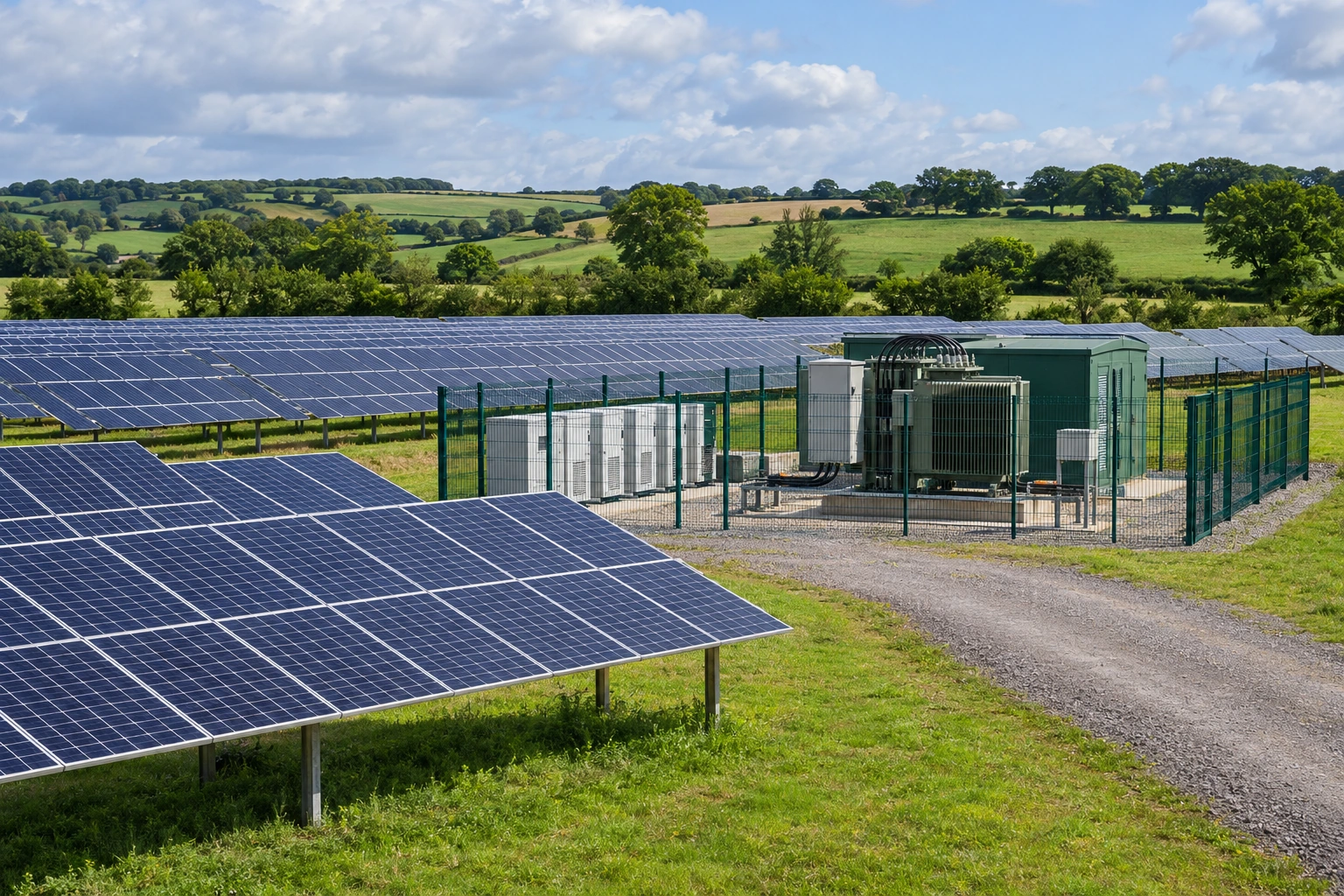
Could an operating change create more value than new capacity?
Separate generated output, energy saved and cash collected. Use the renewable-asset example to compare repairs, operating changes and expansion.
Installed capacity, generated energy and useful commercial value are different measures. Reconcile physical performance with the way the business earns or saves money, then deduct the operating, maintenance and contractual costs needed to deliver it. Avoid counting the same energy as both an avoided purchase and an export receipt. A capacity addition must work within the connection, demand, operating and revenue arrangements that actually apply. Put the cash timetable and downside beside the output forecast, including dependencies that remain unapproved or uncontracted.
Which change is worth considering for your business?
Improve the existing asset first
Is the shortfall caused by physical performance, unavailable capacity, the revenue contract or collection?
Reconcile output and statements before pricing an expansion. Compare repair, maintenance, operating changes and additional capacity against the same useful benefit and a realistic implementation timetable.
Separate benefits before adding them
Which savings and income belong to this asset owner and can be earned together?
Track self-consumption, exports, certificates and contracted services separately where they apply. Check ownership and contract allocation, and avoid counting one unit of output or one block of capacity twice.
Test the investment dependencies
Which connection, permission, technical or customer assumptions could prevent the benefit arriving?
Distinguish existing approvals and signed terms from applications and forecasts. Model delay, lower useful output and additional maintenance together where they are linked; do not count a target commissioning date as evidence.
Match the commitment to the cash case
How much cash is committed before the asset or service produces reliable receipts?
Include procurement, implementation, service costs and the effect on the existing operation. Compare staging, a narrower intervention or deferral where long commitments rely on a short or uncertain revenue arrangement.
PERSPECTIVES AND PRACTICAL TOOLS
Compare the options before committing time or money.
The guides remain in Perspectives. Read their worked examples, source dates and scope before applying the analysis to your own business.
Compare repairs, operating changes and extra capacity using energy saved, saleable output and income collected, so investment addresses the actual constraint.
Choose the operating model that fits your situation. These distinctions guide the questions, rather than establish funding eligibility.
Generation asset owners
For an operating generation asset, first compare expected output with metered output, availability and the energy accepted under the relevant arrangements. Then reconcile the payment calculation, deductions and receipts. A repair or operating change may be the right comparison before adding capacity. Keep energy sales and any separately evidenced certificate or support income distinct, with no double counting of rights already transferred under a contract. The renewable-asset guide develops that method through a hypothetical example; it is not a performance forecast for every technology or a statement of an available tariff.
Where is output lost between the operating forecast, meter and paid statement?
Which revenue rights and costs are supported by the actual contracts?
Would correcting the existing constraint change the case for adding capacity?
On-site energy ownership and services
An asset serving a particular site needs a clear account of who owns it, who uses the output, and who receives each saving or payment. Compare the customer's demand profile and operating hours with useful generation rather than valuing every unit at a retail purchase price. Include access, maintenance, metering and contract duration in the commercial case. If the site occupier or service agreement changes, reassess the benefits available to the asset owner. A business installing equipment for a customer has different procurement and milestone risks and belongs in the construction installation discussion.
Who is entitled to the avoided purchase, export income and any other benefit?
Does the demand and occupancy evidence support the full commitment period?
What happens to access, maintenance and payment if the site use or customer changes?
Electricity storage operators
A storage case should specify the service the asset will provide and when it can provide it. Model purchased or diverted charging energy, usable discharge, operating costs and the payments supported by the actual service arrangements. Check loss, degradation, availability, connection and dispatch assumptions with appropriate technical evidence. Do not add together revenues from services that require the same capacity at incompatible times. Compare standalone storage with storage linked to an existing asset, including the value of generation or capacity given up. The current generation article does not provide a storage dispatch or revenue model.
Which services are contracted, conditional or only assumed?
Can the proposed revenue streams be delivered together with the same capacity?
What technical, connection and licence or exemption evidence remains unresolved?
Other generation, supply and network models
Fuel-based generation, energy supply, heat provision and network operations need their own commercial and regulatory starting points. Identify whether the business earns from a commodity margin, delivered service, asset availability or another specified arrangement. Map input purchases, customer demand, fixed obligations and settlement or collection timing on that basis. Include the operating and customer responsibilities that the actual activity requires. A renewable output example cannot establish supply permissions, a network return or heat-contract performance. An initial review should define the business model and the specialist evidence needed before evaluating expansion or capital options.
What activity is performed, and what exactly creates the right to receive payment?
Which input, customer and fixed commitments remain if volumes or prices move?
What activity-specific permissions and expert assessments are needed before the next step?
Coverage and scope
The existing detailed guide concerns an operating renewable asset's output and cash. The storage, on-site service and wider energy sections identify distinct decisions, but do not supply technical forecasts, dispatch models, tariff comparisons, scheme eligibility or verified service capability. Solar installation contracting remains under Construction. Neither an existing scheme nor a published consultation establishes income for a particular project, and no capital availability is represented.
Geography: General commercial questions. The cited export-scheme and energy-licensing context is for Great Britain; Northern Ireland and other jurisdictions have different arrangements. Scheme, asset and activity scope must be checked separately.
Ofgem sources establish that export payments and energy activities have specific scheme, licence or exemption conditions, and that storage has its own regulatory material. They do not substantiate an asset's output, attainable revenue or investment return. The operating comparisons and warnings against double counting are GIC commercial analysis. Consultations are not treated as final decisions or available project income.
Great Britain, specified small-scale low-carbon technologies and scheme eligibility conditions. Supports conditional export-revenue treatment, not a universal tariff or confirmation that any project qualifies. Checked 9 November 2026.
Great Britain electricity and gas activities, with exemptions, exceptions and separate processes noted. No conclusion on an individual business's authorisation or heat-network obligations is supplied. Checked 9 November 2026.
Great Britain storage regulation and guidance index. Supports treating storage as a distinct model; listed consultations do not establish final support terms, revenue or project acceptance. Checked 9 November 2026.
When to review: Review when metered performance, customer demand, connection conditions, contracts, tariff or certificate rights, technical assumptions or asset ownership changes. Recheck the relevant scheme and licence or exemption position before a project-specific commitment; refresh any storage policy reference when a decision replaces a consultation.
Hub reviewed 9 November 2026. The linked guides retain their own evidence dates. This is general commercial guidance, not an offer, eligibility assessment or technical recommendation.
Tell us what you want to achieve and what is getting in the way.
GIC can help clarify the commercial objective, separate the sources of value and compare investment and capital alternatives using the evidence available. Asset performance, contract timing and a defined requirement are useful starting points. Engineering, energy trading, licensing and legal opinions are outside this general commercial guidance and require the right specialists. A particular engagement, responsibilities and fees must be agreed separately.
Tell GIC what is happening, the outcome you need and what you have already tried. Review the context you choose to include; it does not establish a funding requirement or authorise an introduction. Reading this page does not send an enquiry or establish an intention to borrow.